
FOR IMMEDIATE RELEASE
May 14, 2026
CONTACT:
Aaron Bharucha, Public Relations Associate
(509) 429-1699 and epn-press@environmentalprotectionnetwork.org
EPN: EPA Vehicle Rollback Would Leave Children Breathing More Traffic Pollution for Years
WASHINGTON, D.C. — The Environmental Protection Agency (EPA) has proposed delaying compliance deadlines for Biden-era “Tier 4” vehicle emissions standards for light- and medium-duty vehicles by two years, pushing the start of the standards from model year 2027 to model year 2029. The Tier 4 standards regulate smog-forming pollution, fine particle pollution, carbon monoxide, formaldehyde, and vehicle fuel-vapor emissions. EPA’s own analysis shows the delay would increase toxic vehicle pollutants including benzene, formaldehyde, acetaldehyde, 1,3-butadiene, and naphthalene — pollutants linked to cancer risks and other serious health harms.
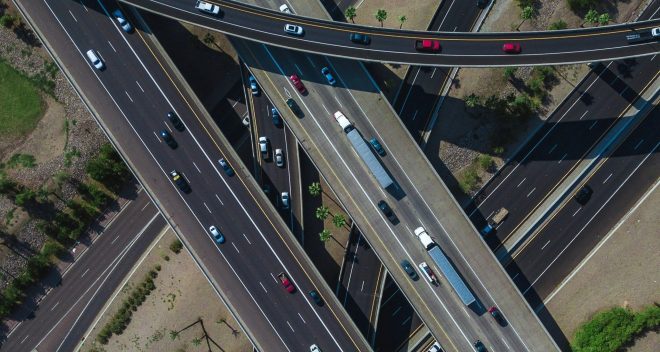
“No American can opt out of breathing the air around them, and children near busy roads face especially high exposure to vehicle pollution,” said Marc Boom, EPN Senior Director of Public Affairs. “Delaying these safeguards means more smog-forming pollution, more soot, and more toxic emissions from vehicles that will stay on the road for decades. EPA tried to reassure the public that its vehicle climate rollback left traditional tailpipe protections intact; now it is proposing to delay those protections too. Once again, EPA is counting every dollar saved by industry while treating the health costs to families and communities as if they are worth zero. That is not balance — it is a thumb on the scale.”
EPN volunteers include former EPA experts who worked on mobile source air pollution, vehicle emissions standards, air quality, and public health protections. They are available to speak with reporters about how this proposal would affect tailpipe pollution, near-road exposure, children’s health, and communities most affected by traffic pollution.
###
ABOUT THE ENVIRONMENTAL PROTECTION NETWORK
The Environmental Protection Network is a nonpartisan organization comprising more than 800 former EPA scientists, toxicologists, chemists, biologists, engineers, and policy analysts — many of whom spent decades as career experts inside the agency. They assessed cancer and developmental risks, studied links between pollution and fertility and chronic disease, investigated contaminated communities, and brought enforcement actions to hold corporate polluters accountable. EPN was founded in 2017 to serve as an independent voice promoting science-based policies that protect Americans’ health.