Coal Ash
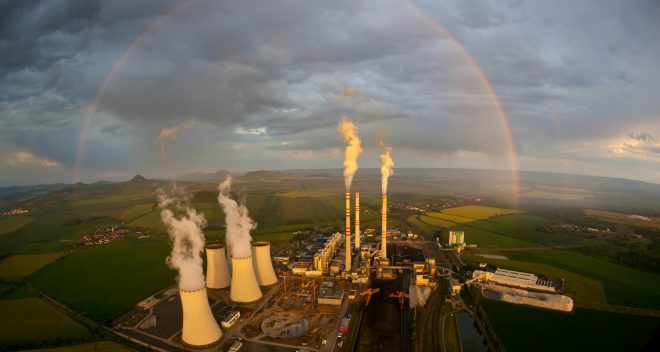
Coal ash, also referred to as coal combustion residuals or CCRs, is produced primarily from the burning of coal in coal-fired power plants. Coal ash is disposed of or used in different ways depending on the type of by-product, the processes at the plant, and
the regulations the power plant has to follow. Some power plants may dispose of it in surface impoundments or in landfills. Others may discharge it into a nearby waterway under the plant's water discharge permit. Coal ash may also be recycled into products like concrete or wallboard. Coal ash contains contaminants like mercury, cadmium and arsenic. Without proper management, these contaminants can pollute waterways, ground water, drinking water, and the air.
EPN Comments on Supplemental ELGs for Coal-Fired Power Plants
EPN Comments on EPA’s Coal Combustion Residuals Part A and Part B Implementation
EPN Comments on EPA’s Decision Not to Hold In-Person Public Meeting on Closure of Coal Ash Disposal Units
EPA’s Coal Ash Crackdown Comes With a Major Caveat
Critics Charge EPA Rewriting Coal Ash Closure Rule Via Waiver Denials
How a Powerful Company Convinced Georgia to Let It Bury Toxic Waste in Groundwater
Coal Plants Rush to Flush Under Trump EPA Rule
The Coal Plant Next Door
A Power Company’s Quiet Land-Buying Spree Could Shield It From Coal Ash Cleanup Costs
Trump EPA Eases Regulations on Toxic Metal Dumped in Water Bodies
Trump EPA Guts Tough Standards for Toxic Metals Dumped into US Waterways by Coal-Fired Power Plants, Including Biggest Polluter on Lake Michigan