HIGHLIGHTS FROM EPN’S WORK
- Exposed the hidden health costs of AI data centers: EPN released The Hidden Health Costs of AI Data Centers, documenting at least 30 federal actions that could increase pollution-related health risks as AI infrastructure expands. EPN also brought together nine national health, environmental, and consumer organizations calling for a Data Center Health Protection Pledge.
- Put children’s health and independent science first: EPN released Children’s Health at Risk as the EPA Retreats on Harmful Pollution, exposing how weakened safeguards threaten children through increased exposure to air pollution, PFAS, pesticides, and other hazards. EPN and partners also urged EPA to restore independent scientific advice on children’s environmental health.
- Brought EPA expertise to state-level challenges: EPN’s North Carolina Action Network released North Carolina Left Exposed, highlighting growing threats from PFAS, coal ash, agricultural pollution, and pesticides. Developed with former EPA experts and state partners, the report was accompanied by a statewide petition calling for stronger federal accountability.
- Defended clean air and water protections: EPN testified against EPA’s efforts to abandon power plant carbon pollution standards and challenged proposed changes that would weaken protections for wetlands and streams, coastal waters, and communities threatened by PFAS-contaminated sewage sludge. EPN warned that these actions could increase pollution and shift health and economic costs onto communities.
- Protected scientific integrity and public health information: EPN challenged EPA’s handling of chemical risk evaluations for two dichlorobenzenes and ethylene dibromide, calling for rigorous independent scientific review and meaningful public participation. EPN and partners mobilized more than 70 experts and organizations to demand that EPA restore its independent children’s health advisory committee. EPN also joined the Union of Concerned Scientists in challenging EPA’s removal of critical cancer risk information from its AirToxScreen database.
- Warned Congress against weakening EPA’s enforcement authority: EPN sent a letter to Senate leaders warning that the bipartisan permitting reform bill’s “project certainty” provisions could restrict EPA’s ability to update pollution standards and enforce environmental laws. EPN recommended specific corrections to preserve those authorities and strengthen federal permitting capacity.
EPN’S NETWORK IN ACTION
- Connected EPA expertise to communities: EPN connected more than 66 volunteers to 115+ technical assistance requests on issues including Superfund, flooding, and data centers, helping communities understand environmental risks and participate in decisions affecting their health and environment.
- Equipped communities to address data center pollution: EPN developed Holding Data Centers Accountable: A Guide to Federal Environmental Permitting and a new Data Center Resource Directory, giving communities practical tools to understand pollution risks, navigate permitting requirements, and advocate for stronger protections.
- Kept critical environmental science moving forward: EPN’s first cohort of 14 Environmental Science Impact Fellows continued research on environmental and public health challenges, including air quality and community resilience. The fellowship enables recently separated EPA scientists and engineers to continue their work and preserve valuable scientific expertise.
- Helped communities find funding and resources: EPN, in partnership with Lawyers for Good Government, continued sharing funding opportunities, resources, and guidance and hosting webinars (such as one on the health impacts of data centers) to help local organizations find funding “Beyond Federal Funding”, as well as access trainings and stay connected.
- Supported current and recently separated EPA staff: Through its Civil Service Resilience Initiative, EPN posted 120 unique jobs on its job board, provided 41 EPA alumni with free Former Gov accounts, hosted seven career webinars, and matched 14 former EPA scientists with mentors through its mentoring program.
- Brought the EPA alumni community together: EPN hosted gatherings for EPA alumni and partners in Atlanta, Dallas, New York, Washington, D.C., and Kansas City, strengthening connections among former colleagues and the broader EPN network.
- The DOE Alumni Network grew stronger: The DOE Alumni Network and Lawyers for Good Government released Innovation on Hold, finding that more than 60% of terminated DOE projects remain in administrative limbo and nearly 70% of retained awards have received negligible recent funding. The Network also expanded its Envision DOE Initiative, bringing on Steve Capanna and Skye Richmond to help develop a nonpartisan agenda for a stronger, more effective DOE.
Read more about the Network’s first year.
Safer, Not Sicker Campaign
This fall, EPN’s Safer, Not Sicker campaign paired new analysis of pollution risks with coalition-building and expanded digital outreach, helping more people understand how weakening federal safeguards can shift health costs onto families.
September report
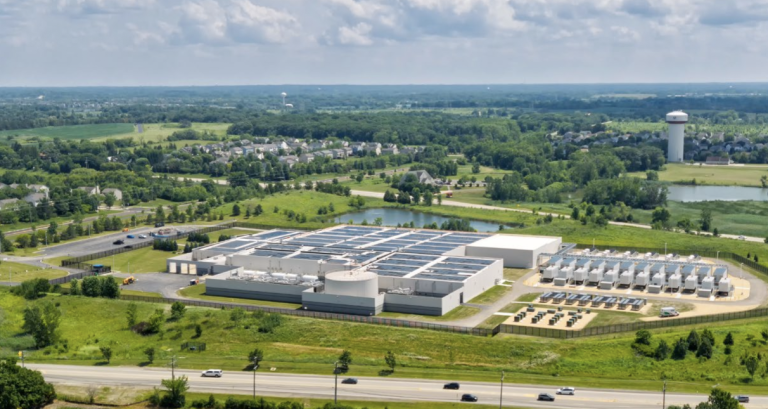
The Hidden Health Costs of AI Data Centers
Former EPA experts documented at least 30 federal actions that could increase pollution risks as AI data centers expand, including emissions from on-site generators and connected power plants.
Read the report

October report
Children’s Health at Risk
EPN showed how decisions on air pollution, PFAS, and pesticides could put children at greater risk, while EPA fails to fully account for their heightened vulnerability in major regulatory decisions.
Read the report
Turning research into action
EPN joined eight other national health, consumer, and environmental organizations in calling for a Data Center Health Protection Pledge, urging policymakers to protect families from avoidable health costs as AI infrastructure expands.
The data center report in the news
Marc Boom, Senior Director of Public Affairs at EPN, Lynn Goldman, former Assistant Administrator for Toxic Substances at EPA, and Larry Starfield, former Principal Deputy Assistant Administrator in EPA’s Office of Enforcement and Compliance, were quoted in The New York Times about health risks posed by air pollution from the rapid expansion of AI data centers and EPN’s new report, The Hidden Health Costs of AI Data Centers.
Fox Business highlighted EPN’s The Hidden Health Costs of AI Data Centers report during a discussion of EPA’s rollback of power plant climate regulations. The host raised the report’s findings with former EPA official Mandy Gunasekara, including concerns that growing AI electricity demand and weakened pollution safeguards could increase harmful emissions and impose significant health and economic costs on communities.
Inside Climate News featured EPN’s The Hidden Health Costs of AI Data Centers report, highlighting how rising electricity demand and weakened pollution safeguards threaten public health. EPN experts Lynn Goldman and Larry Starfield discussed the risks of increased illness, premature deaths, and rising health costs as data centers expand.
Reaching New Audiences Through Creator Partnerships
EPN launched partnerships with creators in children’s health, food and farming, and environmental health to bring former EPA experts’ knowledge to new audiences. Through a series of videos and social posts, these collaborators are helping connect federal environmental decisions with everyday health concerns. Here are three examples of their work.
Pediatric Nutrition & Children’s Health
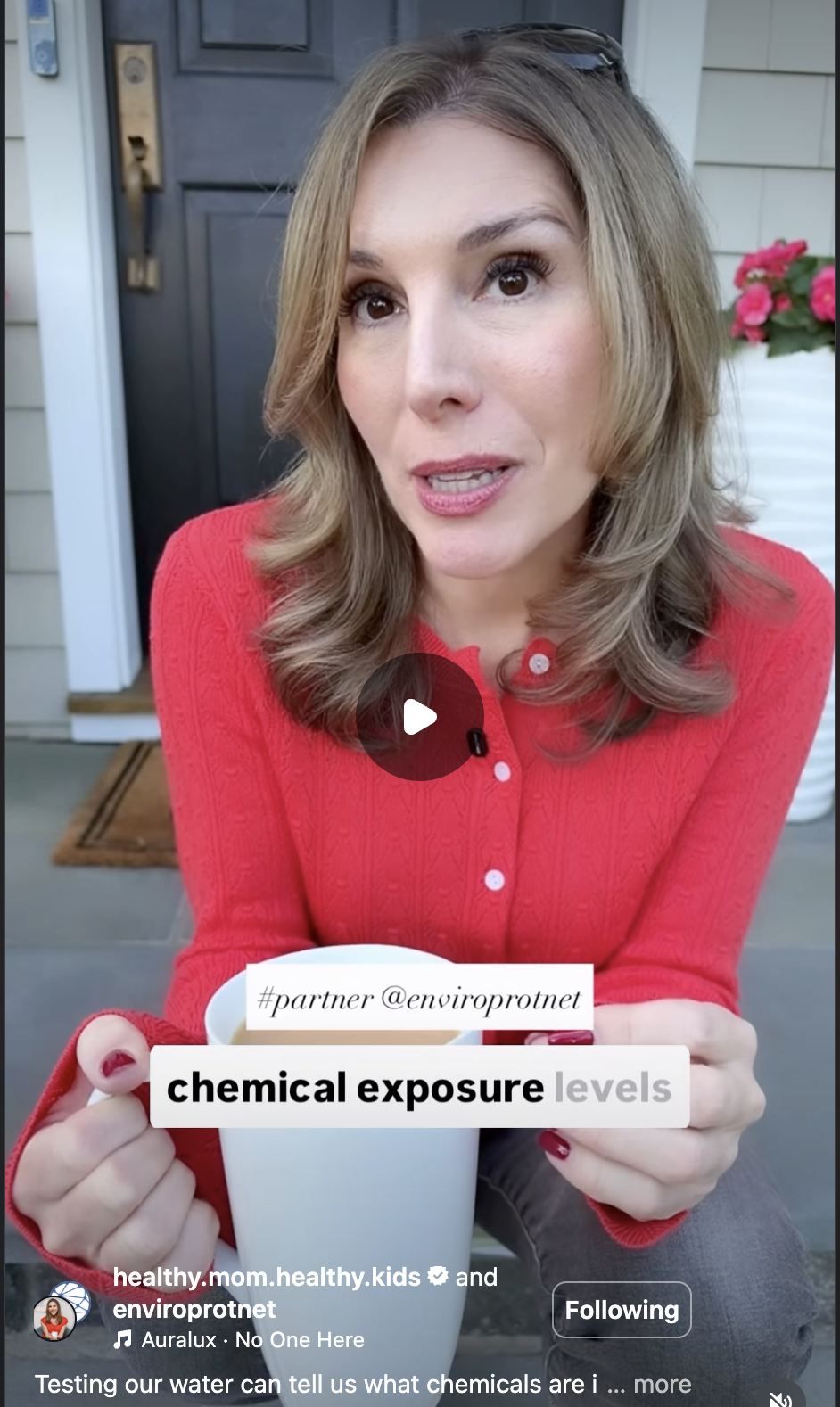
Malina Malkani is a pediatric registered dietitian, bestselling author, and creator of @healthy.mom.healthy.kids, where she shares evidence-based health and nutrition guidance with parents and caregivers. Among the issues she has explored with EPN is PFAS in drinking water and the importance of independent science in protecting children’s health.
Sustainable Agriculture & Pesticides
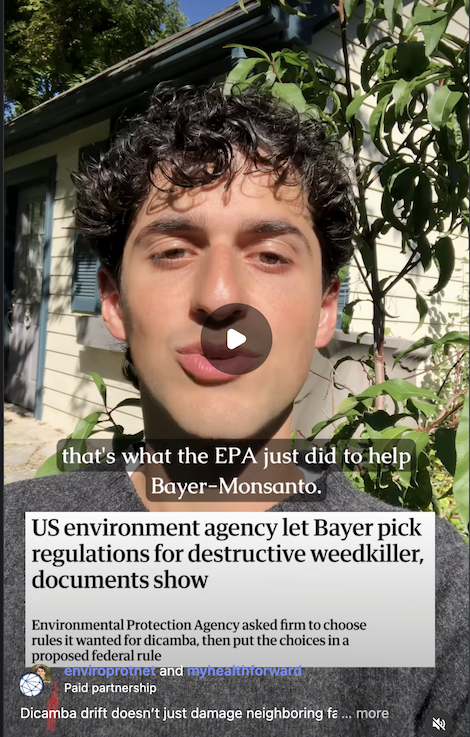
Matthew founded My Health Forward to connect people with regenerative agriculture, local food systems, and sustainable growing practices. In one of his videos with EPN, he examined EPA’s approach to regulating dicamba, a widely used herbicide, and the implications for farmers and neighboring communities.
Environmental Health & Toxic Chemicals
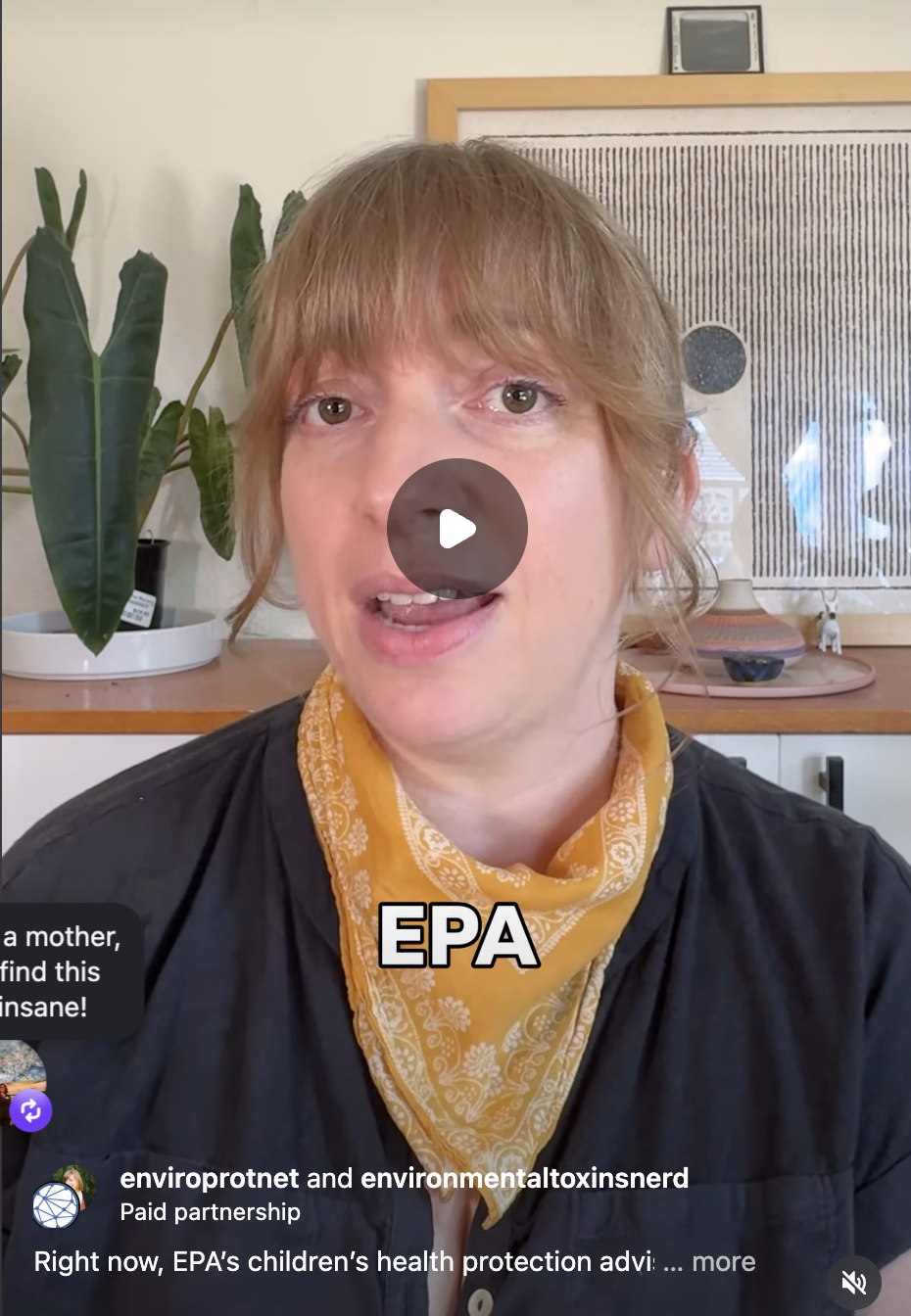
Lara Adler is an environmental health educator and consultant who has spent more than a decade helping health professionals understand chemical exposures and their health impacts. One of her EPN collaborations highlighted the absence of active members on EPA’s Children’s Health Protection Advisory Committee and the importance of independent scientific expertise.
Putting EPA Expertise to Work in North Carolina
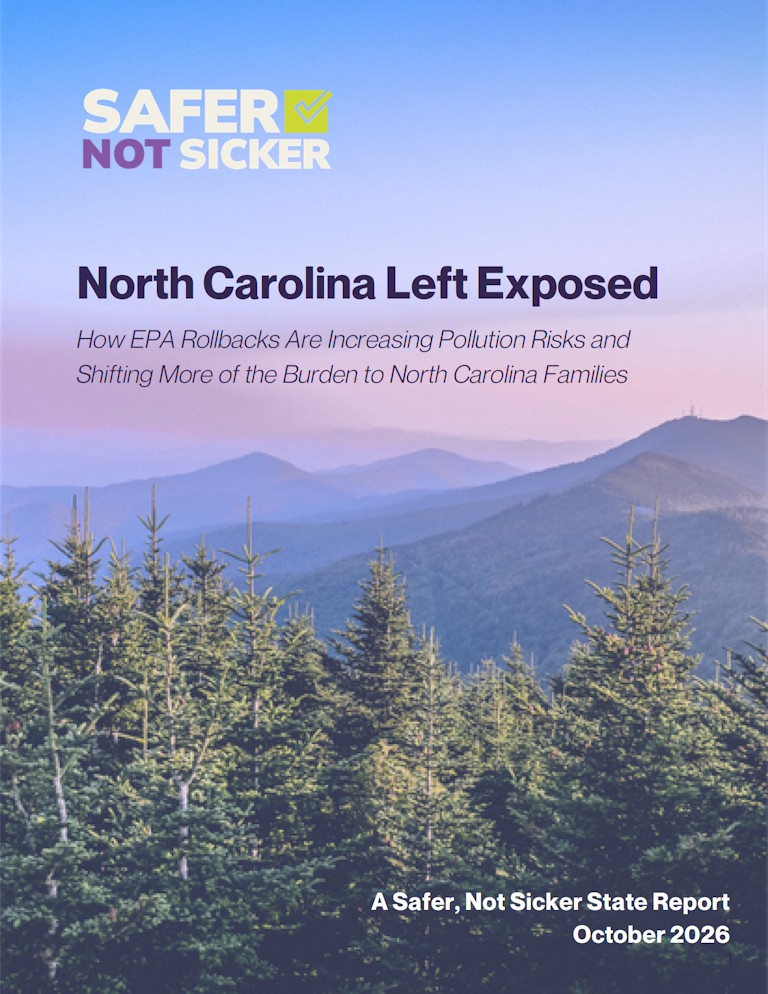
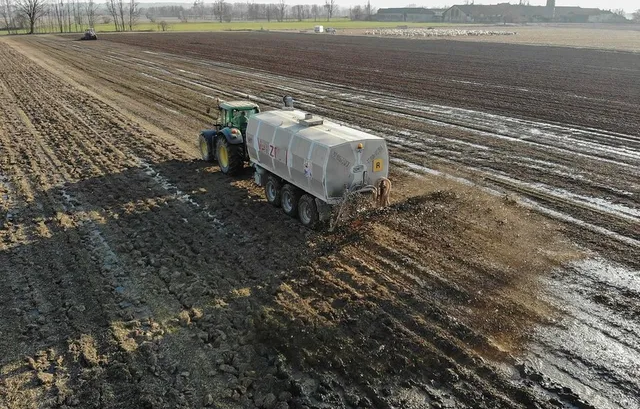
EPN’s North Carolina Action Network released North Carolina Left Exposed, examining how federal environmental rollbacks are compounding the state’s challenges with PFAS, coal ash, agricultural pollution, and pesticides.
Developed with former EPA experts and informed by local environmental organizations, the report helps North Carolinians understand the consequences of federal decisions for their communities. EPN also launched a statewide petition urging North Carolina’s congressional delegation to hold EPA accountable for protecting public health.
In the News: WRAL: EPA Rollbacks Could Shift Pollution Costs to NC Families, Report Says (October 14), featuring Betsy Southerland and Stan Meiburg.
Protecting Clean Air
From power plant carbon standards to toxic air pollution risk assessments, EPN’s former air officials are bringing legal and scientific expertise to decisions that affect both pollution safeguards and the information communities rely on.
Zealan Hoover, Senior Advisor at EPN, spoke with The Washington Post about EPA’s repeal of Biden-era limits on carbon emissions from power plants and the potential public health impacts of the rollback.
Inside EPA covered EPN and the Union of Concerned Scientists’ call for EPA to restore cancer risk estimates removed from its AirToxScreen database. The groups warned that without these scientific assessments, communities and public health officials lack critical information to understand and address toxic air pollution risks.
Joe Goffman, former Assistant Administrator of EPA’s Office of Air and Radiation, spoke with Bloomberg Law about the legal arguments surrounding the Trump administration’s repeal of power plant climate regulations.
Holding Polluters Accountable and Protecting Waterways
EPN’s former EPA water officials examined how changes to Clean Water Act permitting, the definition of protected waters, and PFAS guidance could weaken pollution controls and shift greater risks and costs onto communities.
October 8, 2026 / by
Patrick Sisson /
Bisnow
Stan Meiburg, former EPA Acting Deputy Administrator, was quoted by Bisnow about the Trump administration’s proposed rollback of Clean Water Act protections for wetlands and how narrowing federal oversight could accelerate development, including data centers, by reducing permitting requirements.
Betsy Southerland, former Director of Science and Technology in EPA’s Office of Water, and Robert Wood, former Director of the Engineering and Analysis Division in EPA’s Office of Water, spoke with The Associated Press about the Trump administration’s delay of a nationwide survey to identify industrial sources of PFAS in wastewater.
September 4, 2026 / by
Zahra Hirji /
Bloomberg
Betsy Southerland, former Director of Science and Technology in EPA’s Office of Water, spoke with Bloomberg about a new Trump administration proposal that could further weaken federal protections for the nation’s waterways.
Protecting People from Toxic Chemicals
Effective chemical protections depend on rigorous scientific review and a public process that can meaningfully consider the evidence. EPN is pressing EPA to preserve both as it evaluates potentially harmful chemicals.
Inside EPA featured EPN’s efforts to ensure scientific peer review and meaningful public participation in EPA’s chemical risk evaluations under the Toxic Substances Control Act. Drawing on EPN’s recent comments on ethylene dibromide and other chemicals, the article highlighted concerns from former EPA experts that rushed timelines could prevent the public from considering independent scientific findings before EPA finalizes its evaluations, potentially undermining the quality of decisions intended to protect public health.
Inside EPA featured analysis from former EPA Deputy Administrator Bob Sussman on the far-reaching implications of a federal appeals court ruling overturning EPA’s restrictions on the toxic chemical methylene chloride. Sussman warned that the decision, which challenges longstanding EPA practices for assessing chemical risks, could create prolonged uncertainty and slow the agency’s efforts to evaluate and regulate other dangerous chemicals under the Toxic Substances Control Act, delaying critical protections for public health.
Tracey Woodruff, former Senior Scientist and Policy Advisor in EPA’s Office of Policy, spoke with The New Lede about newly revealed Syngenta records showing the company did not provide the EPA with critical information about the health risks of its paraquat pesticide.
Providing Expert Guidance on Federal Legislation
As Congress considers changes to federal permitting, EPN is drawing on decades of implementation experience to identify where proposed language could affect environmental standards, enforcement, and agency capacity.
Heatmap News highlighted EPN’s concerns that the bipartisan permitting bill’s “project certainty” provisions could restrict EPA’s ability to update pollution standards and enforce environmental laws, while exposing taxpayers to costly payouts. The article also featured EPN’s proposed legislative fixes to preserve environmental protections and enforcement authority.
 Marc Boom, Senior Director of Public Affairs at EPN, spoke with Inside EPA about concerns from former EPA employees that proposed Senate permitting legislation could undermine the agency’s ability to implement environmental laws and protect public health.
October 30, 2026 / by
Eric Levitz /
Vox
Jeremy Symons, Senior Advisor at EPN, spoke with Vox about concerns that proposed bipartisan permitting reform legislation could weaken environmental protections, benefit fossil fuel interests, and undermine future efforts to regulate pollution, even as it aims to accelerate clean energy development.
More EPN in the News
EPN’s former EPA scientists, policy experts, and enforcement officials helped national and local reporters investigate how federal environmental decisions affect communities. From PFAS contamination of farmland and exemptions from toxic air pollution requirements to growing emissions from AI data centers, EPN experts provided the scientific, regulatory, and enforcement expertise needed to explain complex issues and reveal their real-world health consequences.
Joseph Goffman, former EPA Assistant Administrator for the Office of Air and Radiation, spoke with The New York Times about the Trump administration’s efforts to roll back toxic air pollution regulations and provide exemptions to industrial facilities that emit hazardous chemicals.
October 29, 2026 / by
Lisa Fletcher, Andrea Nejman, Nathan Aaron, and Mario Pena /
The National Desk
The National Desk’s Spotlight on America investigation examined EPA’s failure to launch a planned nationwide survey to identify industrial sources of PFAS contamination and its decision to set aside a scientific risk assessment of PFAS-contaminated sewage sludge spread on farmland. Betsy Southerland, former Director of EPA’s Office of Science and Technology, explained how these decisions leave farmers and communities without critical information needed to prevent contamination of soil, livestock, and the food supply.
Tracey Woodruff, former Senior Scientist and Policy Advisor at EPA, spoke with the Los Angeles Times about newly uncovered industry documents indicating that chemical company scientists and executives had known for decades about concerns surrounding microplastics and their potential to accumulate in the human body.
October 21, 2026 / by
Jacob Wallace, Cole Rosengren and Shaun Lucas /
Waste Dive
Barnes Johnson, former Director of EPA’s Office of Resource Conservation and Recovery, spoke with Waste Dive for an extensive retrospective on the 50th anniversary of the Resource Conservation and Recovery Act. Drawing on his decades of experience at EPA, Johnson explained how the federal waste management program has evolved to address changing environmental challenges, from discarded tires and agricultural waste to PFAS, highlighting the law’s enduring role in protecting public health and the environment.
Cheryl Vetter, former Group Leader in EPA’s Office of Air Quality Planning and Standards, and Mike Koerber, former Deputy Director in EPA’s Office of Air Quality Planning and Standards, spoke with The Guardian about data center developers using divided permits to avoid more stringent air pollution reviews and the resulting concerns about emissions and public health.
Larry Starfield, former Principal Deputy Assistant Administrator in EPA’s Office of Enforcement and Compliance, spoke with Inside EPA about EPA’s planned framework for national enforcement consistency and concerns that it could coincide with declining environmental enforcement.