
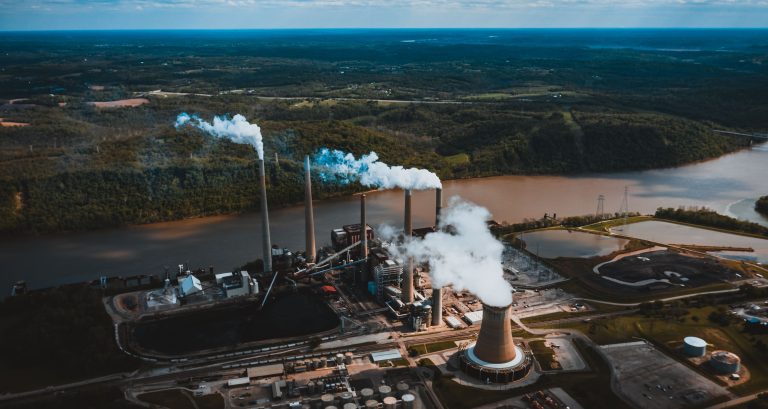
On November 2, 2026, the Environmental Protection Network (EPN) and Lawyers for Good Government (L4GG) submitted formal comments urging EPA to withdraw its proposal to rescind greenhouse gas findings for fossil fuel-fired power plants and eliminate remaining power plant carbon pollution standards under Section 111 of the Clean Air Act.
The proposal follows EPA’s September repeal of key power plant carbon standards and would eliminate the remaining requirements while advancing a legal interpretation that could prevent future administrations from regulating power plant greenhouse gas emissions under Section 111.
Drawing on decades of experience from former EPA officials and legal experts, the comments provide a detailed rebuttal of the legal, scientific, and economic arguments EPA uses to justify abandoning these protections.
EPN and L4GG’s comments establish four reasons EPA should withdraw the proposal:
- The Clean Air Act authorizes EPA to regulate climate pollution from power plants. The law expressly includes climate among the effects on public welfare that EPA must consider, and Supreme Court precedent supports EPA’s authority to regulate greenhouse gases. The comments demonstrate that EPA’s attempt to limit Section 111 to pollution causing harm through local or regional exposure misinterprets the law and could constrain future administrations’ ability to protect Americans from climate pollution.
- Decades of scientific evidence establish the dangers of greenhouse gas pollution. Extensive scientific research demonstrates that human-caused climate change threatens public health and welfare, with consequences for communities across the country. The comments show that EPA’s claims of scientific uncertainty are inconsistent with established evidence and fail to adequately account for how emissions from multiple sources collectively contribute to climate change and its harmful effects.
- U.S. power plants are major contributors to global climate pollution. Fossil fuel-fired power plants emitted approximately 1.4 billion metric tons of carbon dioxide in 2024, nearly 4% of global emissions, and have contributed an estimated 6–7% of cumulative global emissions since 1900. The comments demonstrate that EPA’s so-called “futility” analysis minimizes the significance of these emissions by considering the effects of regulating individual sectors in isolation, rather than evaluating their contribution to the broader pollution problem.
- A full accounting of the repeal’s consequences reveals substantial health and climate costs. EPA’s own modeling can estimate changes in carbon dioxide and other harmful pollutants, including where those changes would occur, yet the agency fails to disclose this information or account for the resulting health and climate damages. Increased power plant pollution can contribute to asthma attacks, heart and lung disease, and premature deaths. The comments also identify EPA’s failure to consider reasonable regulatory alternatives and cite independent research estimating that the broader repeal of the 2024 power plant standards could result in nearly $1.7 trillion in climate damages alone, before accounting for additional air-pollution health costs.
These findings are particularly consequential as electricity demand grows, driven in part by AI data centers, increasing pressure to keep fossil fuel-fired power plants operating.
EPN and L4GG conclude that EPA’s proposal is legally unsupported, scientifically unsound, and economically misleading, and urge the agency to withdraw it in its entirety.
Federal Register: 91 FR 59002 (September 17, 2026)
Docket: EPA-HQ-OAR-2025-0124